History of Stadtwirtschaft

Operating for over 130 Years
With the economic upturn came the trash
The Stadtwirtschaft is an area closely linked to the industrialization of Chemnitz. With the boom in the textile, machinery, and vehicle manufacturing industries in the 19th century, Chemnitz grew rapidly. Starting in the 1860s and 1870s, the Sonnenberg area was also developed—as an industrial site along Dresdener Straße and Oststraße (today: Augustusburger Straße) and as a residential area for the rapidly growing workforce.
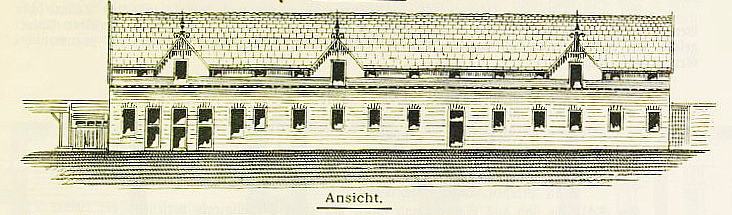
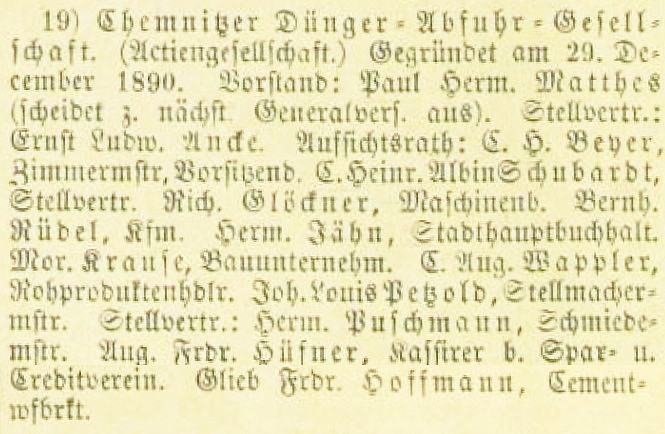
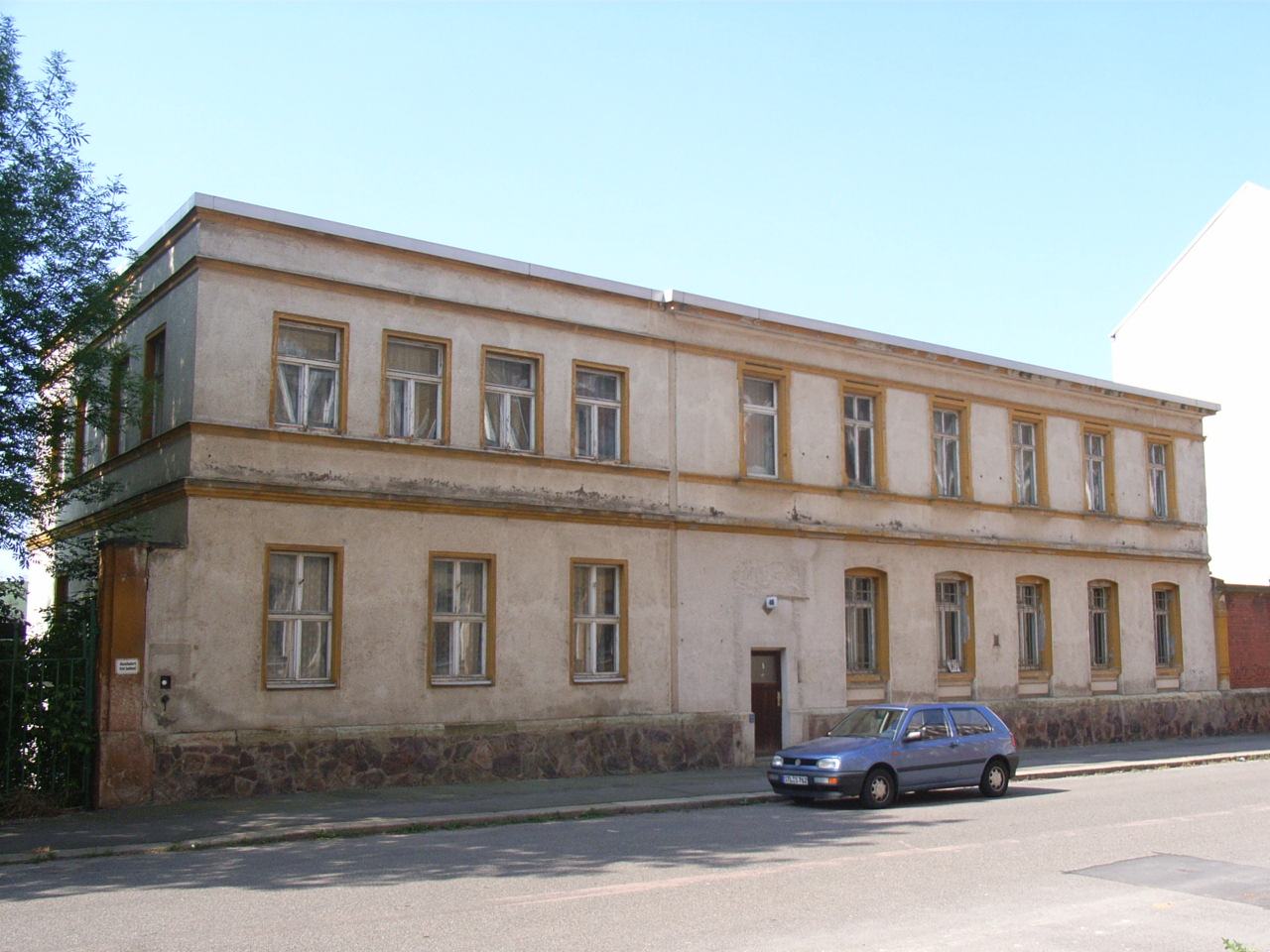
Along with the people came trash and wastewater—and municipal utilities tasked with managing them. In December 1890, the waste collection and city cleaning department "Chemnitzer Dünger-Abfuhr-Gesellschaft (AG)" was founded; shortly thereafter, it announced a construction project for its newly acquired site: on what was then known as Grenzstraße, now called Zietenstraße. A “Komtor”—the administrative building on Jakobstraße—as well as the first horse stables were constructed. “Stadtwirtschaft” was born.
Accommodations for 80 horses—and the staff
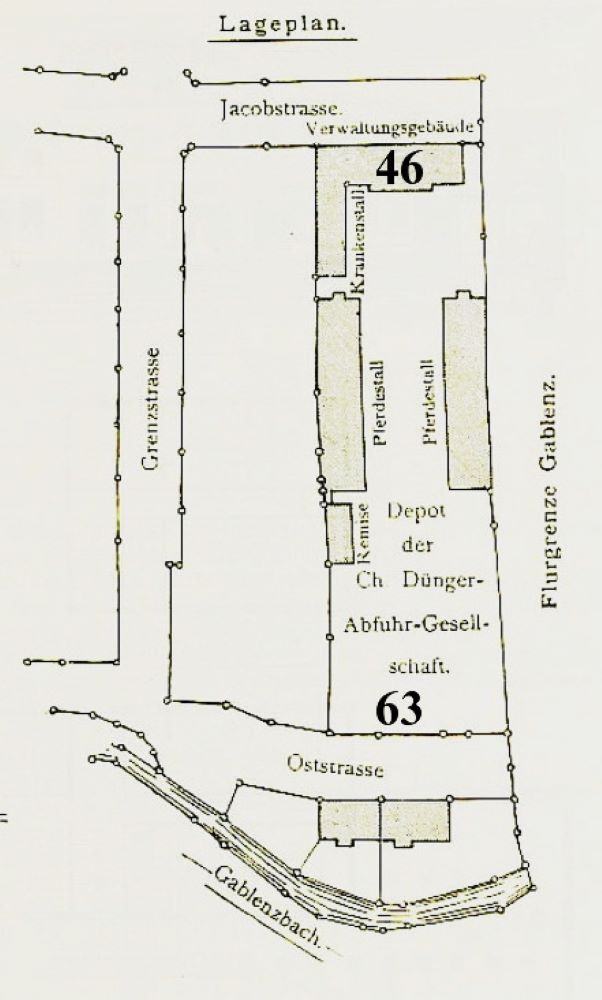
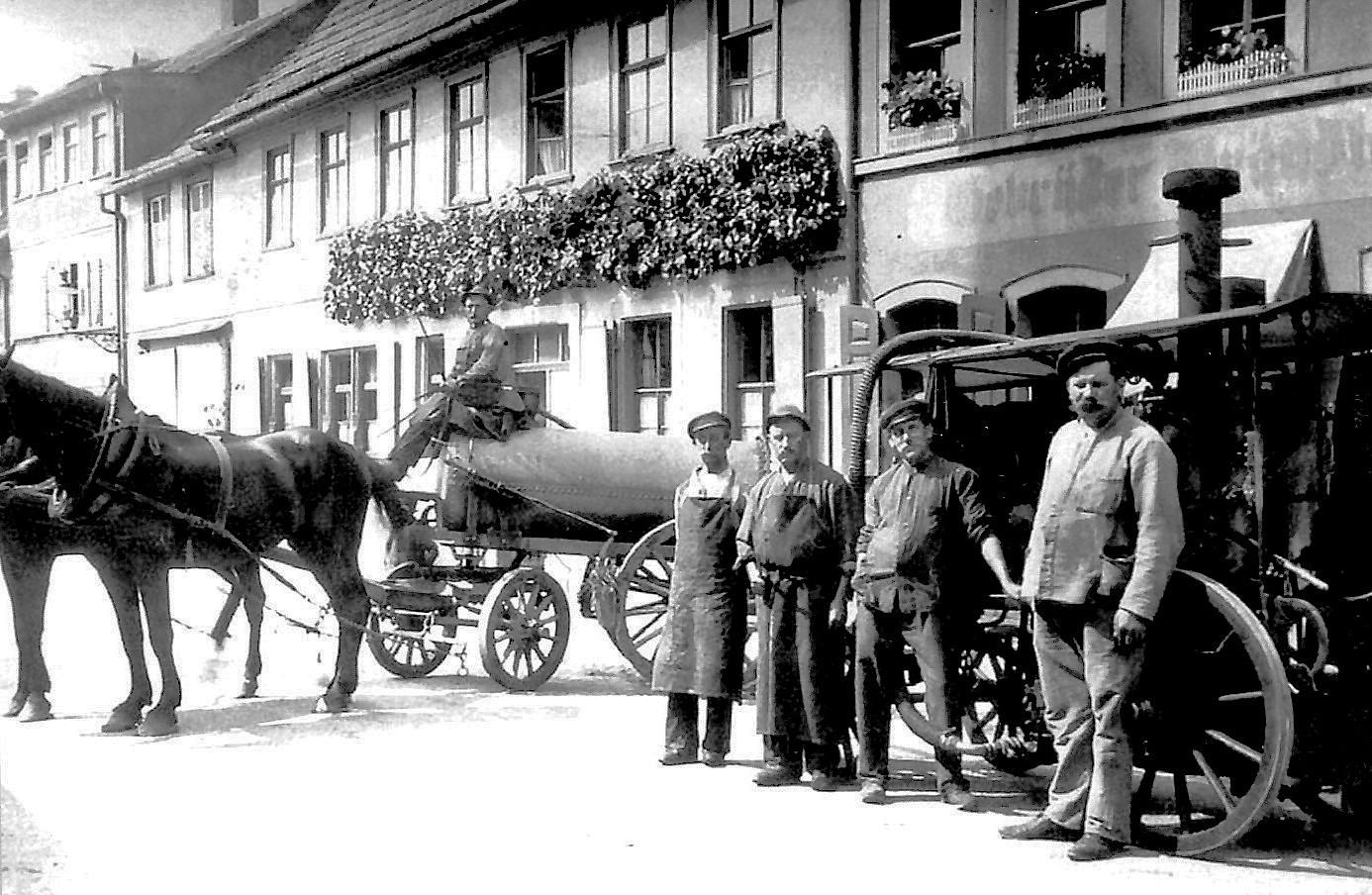
In the early decades, waste disposal was primarily carried out using horse-drawn teams—and the building’s layout reflected this, with stables for up to 80 horses on the ground floor and feed storage areas in the attic. In addition, there were smithies, tack rooms, an infirmary, parking spaces for machinery and vehicles, and dormitories for the employees.
In 1913/1914, various municipal waste and sewage utilities were incorporated into the city administration. The headquarters of the waste disposal department "Gruben-Dünger und Müllabfuhrbetriebs" remained at 46 Jakobstraße. The manure collection operation now had 113 horses and 96 different vehicles at its disposal.
Finally motorized
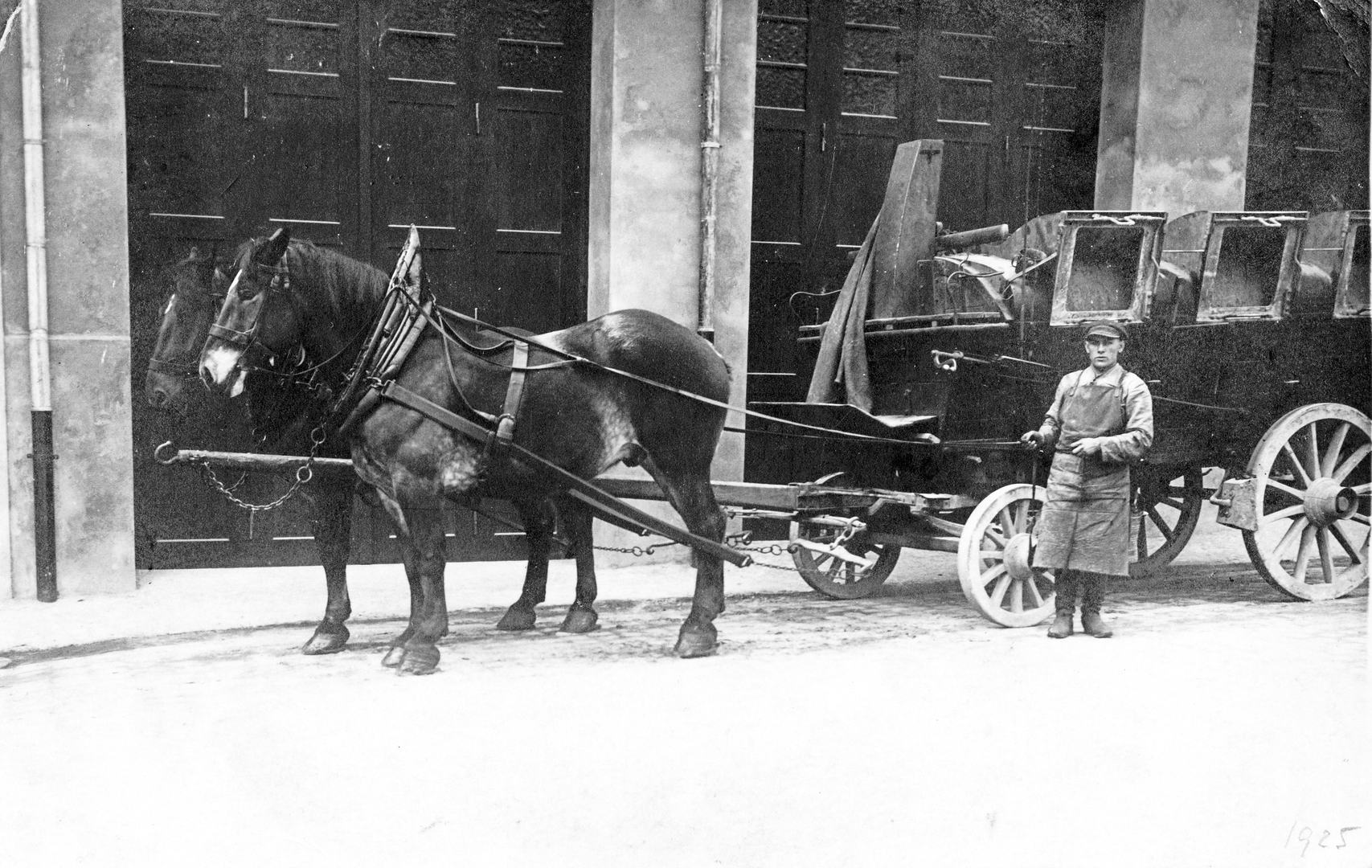
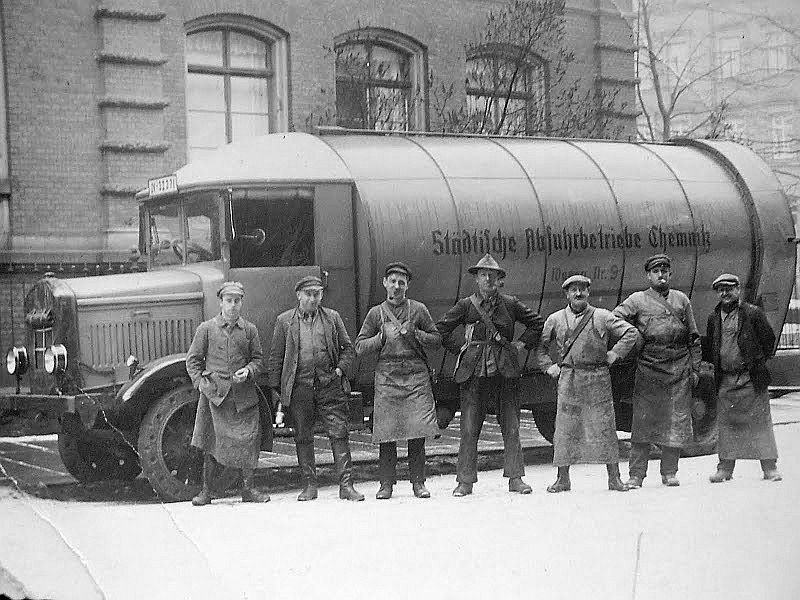
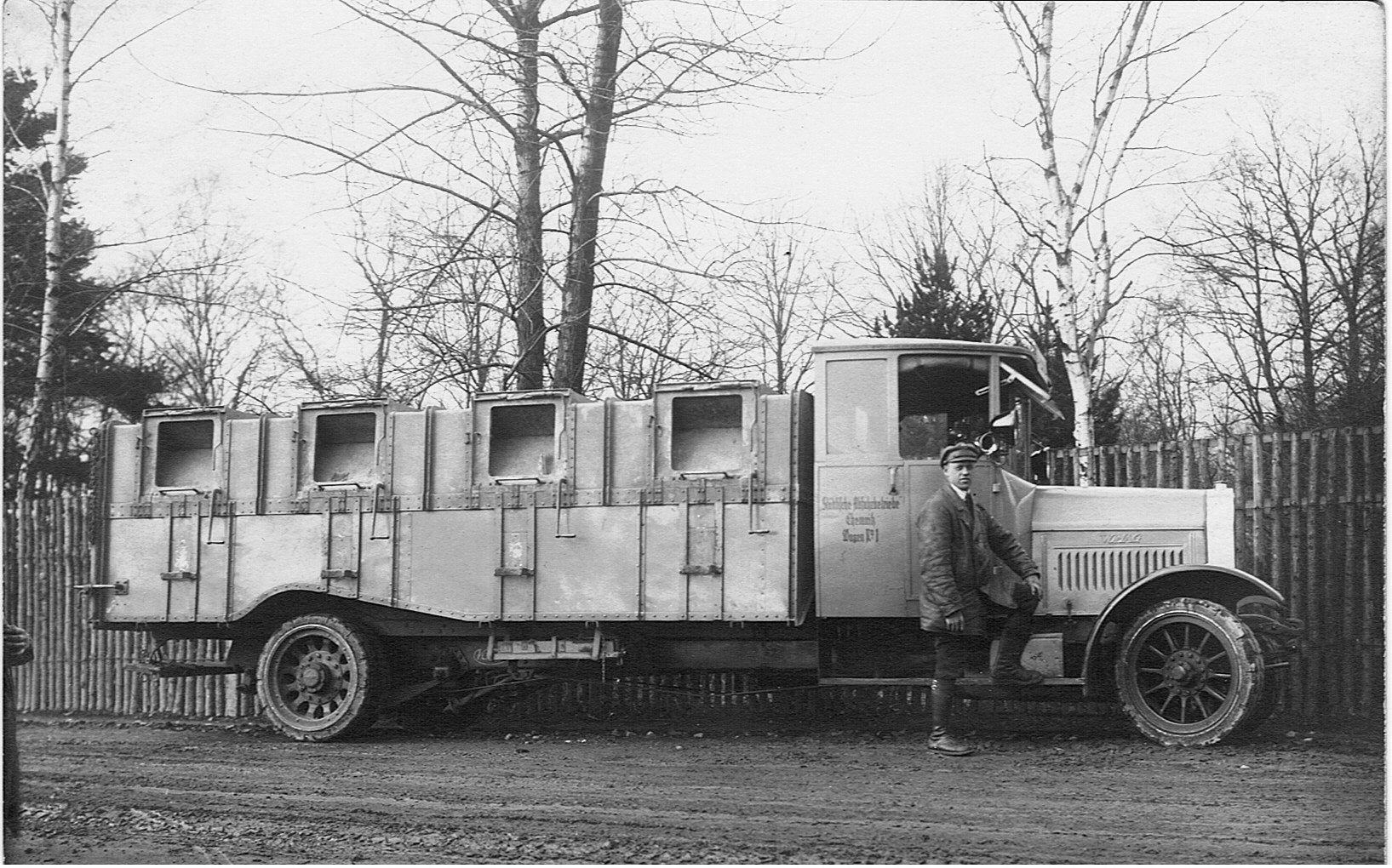
In 1924, the operational structure of the city sanitation department was reorganized once again. The newly established waste collection service received its first motorized sewage truck. Beginning in 1926, the horse stables were gradually converted into garages for motor vehicles.
The year 1926 was marked by further investments: In addition to the purchase of two more motor vehicles, plans were made to install a heating system and set up a vehicle repair shop. This was certainly necessary: By 1932, the truck fleet had grown to eleven sewage trucks and 13 garbage trucks.
Regular changes
The following decades were marked by regular changes in the organizational structure—from the waste collection office in 1929, to the city engineering services combine in 1968 and the VEB Stadtwirtschaft in 1972, to the city cleaning office in 1990.
In terms of infrastructure, the Stadtwirtschaft department was adapting to the changed conditions: Among other things, the site featured a gas station and car washes for the company’s own fleet of vehicles.
The waste management and city cleaning authority "Abfallwirtschafts- und Stadtreinigungsbetrieb der Stadt Chemnitz" (ASC, now ASR), founded in 1994, decided in the mid-1990s to vacate the site: a modern facility on Blankenburgstraße was ready to be occupied.
Falling into a slumber and temporary use
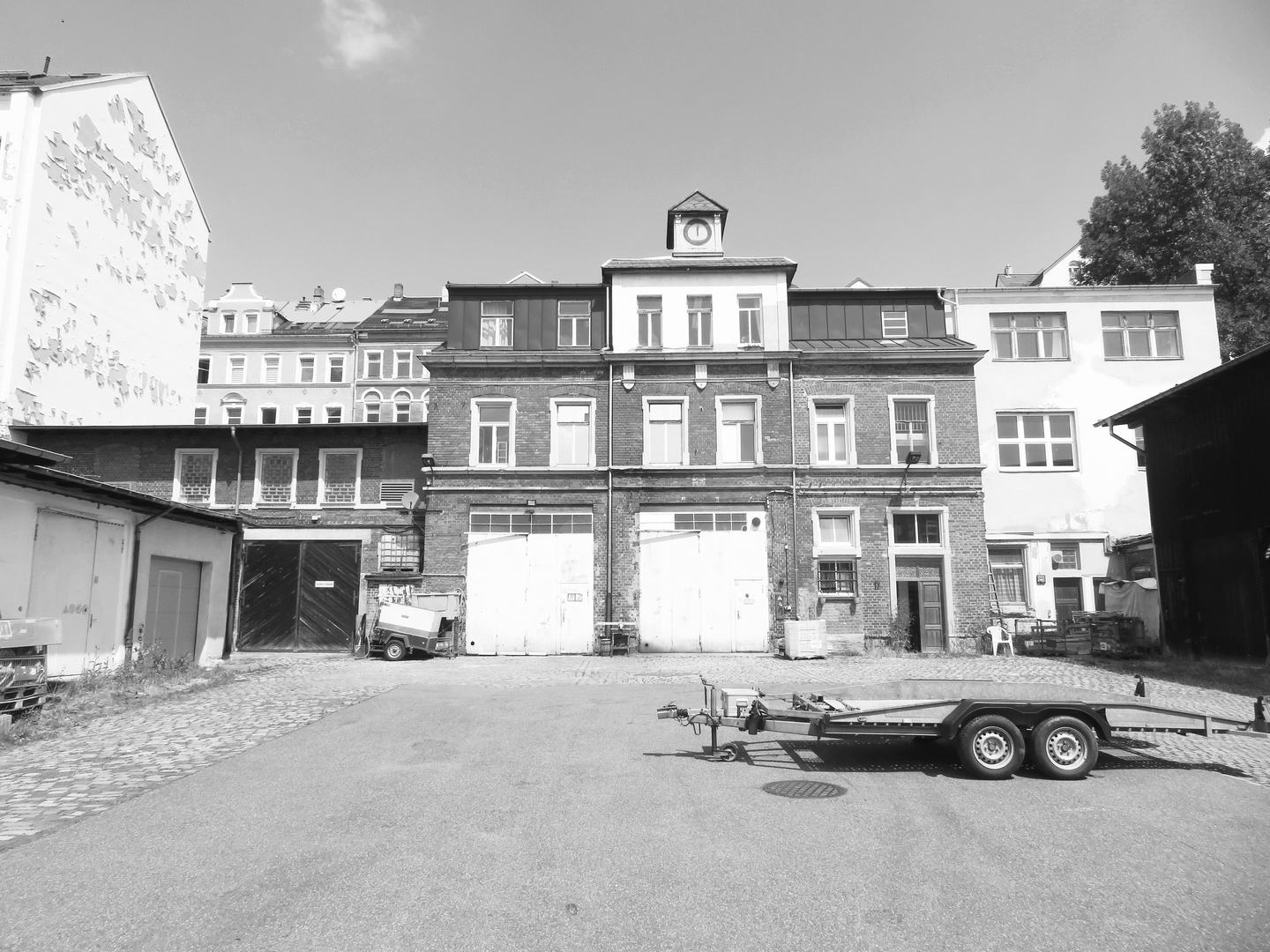
After the ASC moved out, the site lay idle at first. But it wasn’t long before the first private and commercial users began showing interest in the vacant workshop and storage spaces—and the city was happy to lease the unused premises to them. Even today, some of the pioneers of temporary use are still active on the Stadtwirtschaft grounds.
And then: KRACH
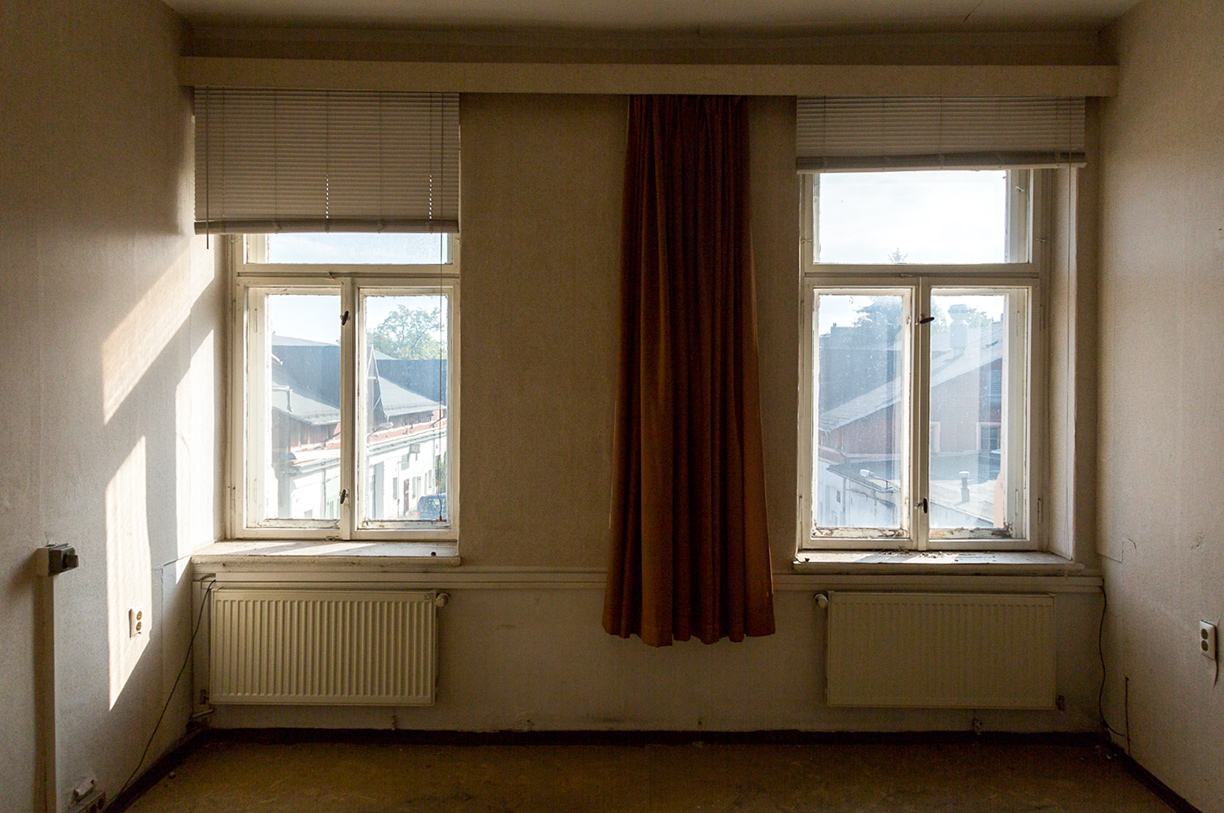
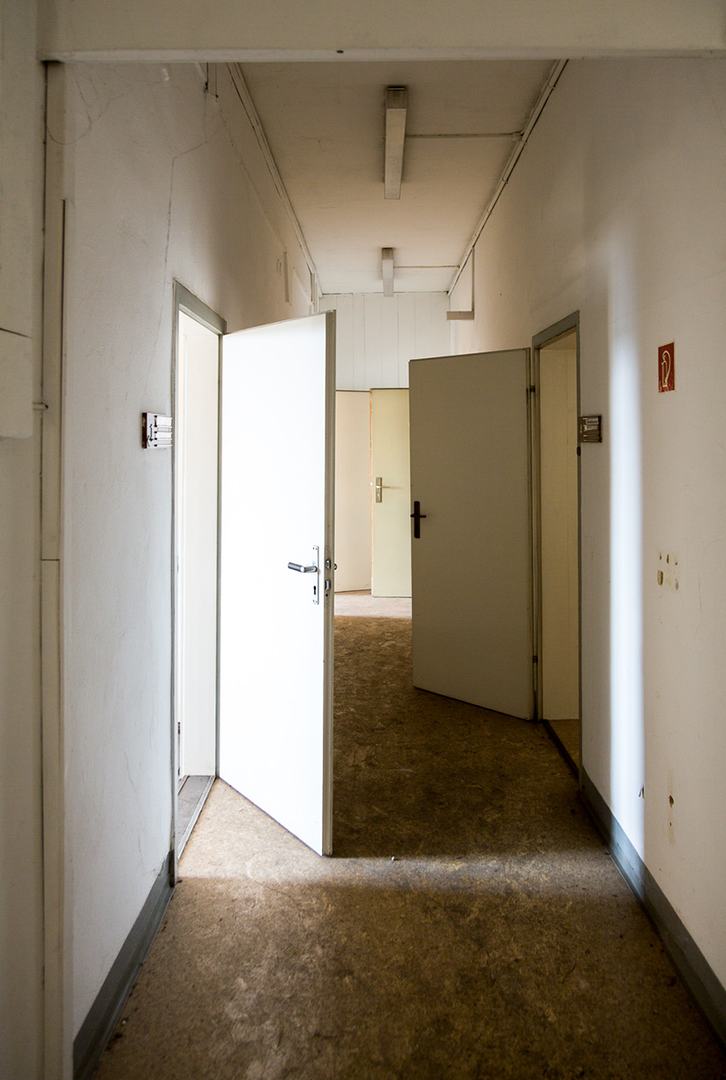
For the first time in 2017/2018, the City of Chemnitz, its economic development agency, and the industry association Kreatives Chemnitz launched a competition for ideas for vacant office and commercial spaces: “Kreativraum Chemnitz” (KRACH for short) was intended to encourage key players in the cultural and creative industries to set up operations in such spaces.
In the first round of the competition, spaces in the Stadtwirtschaft administrative building on Jakobstraße were also put out to bid. The first winners were selected in the summer of 2018—but had to wait for the complete renovation of Building D to be finished before they could move into the Stadtwirtschaft.
In the second round of KRACH in 2018/2019, several spaces in Building D were again offered as a launchpad for creative economy ventures. The award ceremony for this round of the competition was held in the summer of 2019 at the Stadtwirtschaft—the spark that ignited the site’s further development.




Note:
Historical information is based primarily on research conducted by the working group AG Sonnenberg-Geschichte in Chemnitz, which also provided the historical photographs. Sincere thanks to the members of the group, and in particular to Eckart Roßberg.
The KRACH photos were taken by Mark Frost and Fabian Thueroff on behalf of CWE - Chemnitzer Wirtschaftsförderungs- und Entwicklungs GmbH.